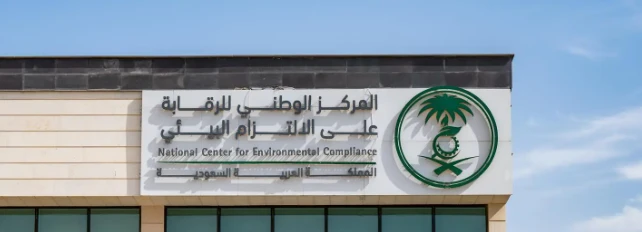
As part of the environmental permit requirements for fuel stations, and in meeting the requirements of the Ministry of Energy and the National Center for Environmental Compliance (NCEC), addressing comments related to fuel vapor recovery includes attaching contracts for the supply and installation of the systems with stated implementation timelines, alongside the environmental audit study and the compliance matrix required for the application.
Building on its environmental services for fuel station owners and operators, Quality Techno Certification (QTC) is partnering with LEYANCO to offer a service that links the preparation of the environmental file with the supply, installation, operation and maintenance of fuel vapor recovery systems, with a clear role for each company and a clear starting point of contact for the station owner.
The QTC and LEYANCO Partnership for Fuel Stations

QTC: Reviewing Requirements and Preparing the Environmental File
QTC starts by reviewing the authority’s comment and the available documents, then clarifies what the station’s file needs in terms of environmental studies, consulting and measurements, along with support for licensing and permit procedures. The review identifies the documents that still need to be completed, such as the environmental audit study, the compliance matrix and the plan for addressing the comments, and aligns them with the scope of system supply and installation. QTC remains the main point of contact for following up on these steps with the station owner.

LEYANCO: System Supply, Installation, Operation and Maintenance
LEYANCO handles the technical and execution work within the agreed scope. It is licensed by the National Center for Environmental Compliance to supply, install, maintain and operate pollutant control filters under license No. ELESL-2026-000261, and the HYVR3CA-06 gasoline vapor recovery unit is listed under its license. The scope of supply, installation, operation and maintenance is defined in the quotation and contract for each station.
This partnership helps station owners follow up on their environmental requirements and the implementation of the system through one main point of contact, with clear responsibilities for each party.
How Does the Gasoline Vapor Recovery Unit Work?
Gasoline Vapor Recovery Unit — HYVR3CA-06
The unit is installed near the gasoline tank to treat the vapors inside it. The process begins by drawing in the vapors and feeding them into the vapor recovery system, where they are cooled to convert them from a gaseous to a liquid state; the recovered liquid is then returned to the station’s tank. Any remaining gases that have not condensed are drawn into the activated carbon chamber.
Supply, Installation, Commissioning and Warranty
LEYANCO signs a separate contract for each station. Supply takes place within 90 days of contract signing and receipt of the first payment, followed by installation based on the site inspection and site requirements, then commissioning, testing and training of station representatives, with a completion certificate issued. The offer includes a one-year warranty from the commissioning date, covering periodic maintenance in accordance with the offer terms.